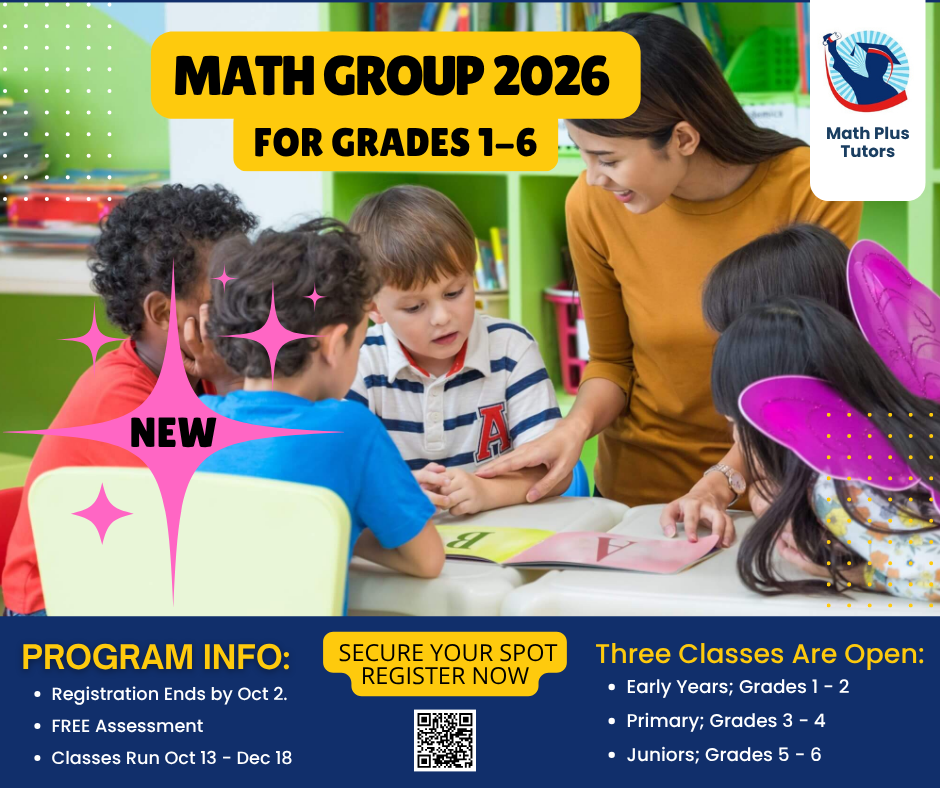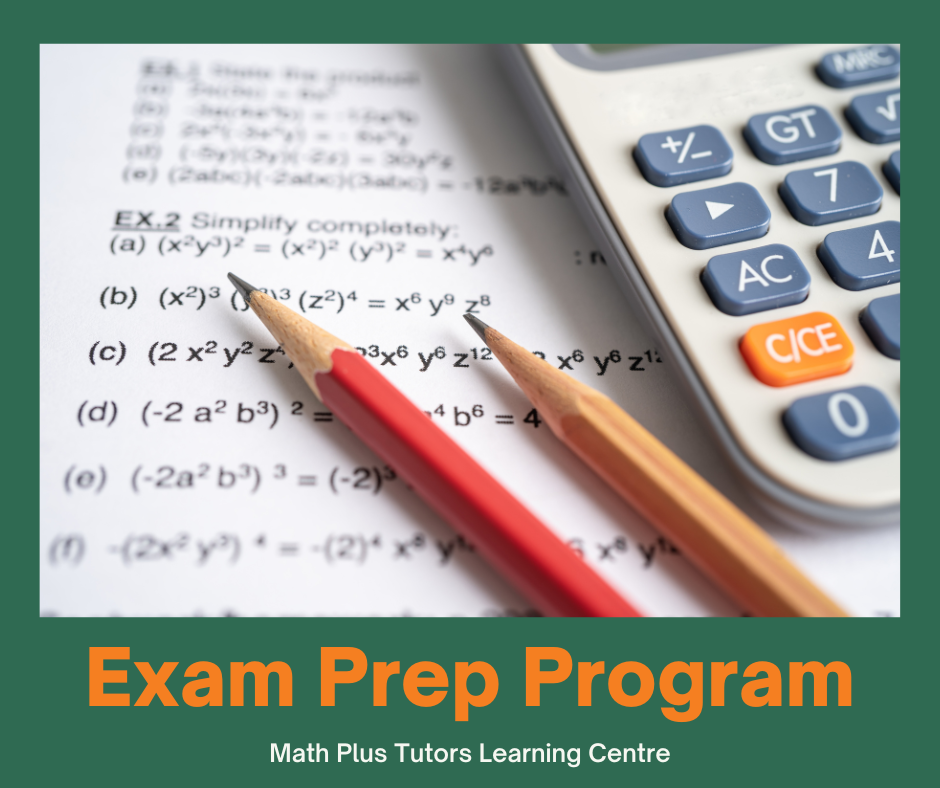

Supporting Sarnia-Lambton high school and college students in achieving academic success. For Lambton College students we deliver specialized exam preparation services for CPET, ICET, Pre-Health Math and Science exams to help them excel in their finals. For high school students we deliver specialized exam prep services for Calculus, Advanced Functions, Functions 11, University Chemistry 11 & 12, University Physics 11 & 12, University Biology 11 & 12, and many more courses. Contact us to learn how to enroll today!
Posted On: December 2, 2025
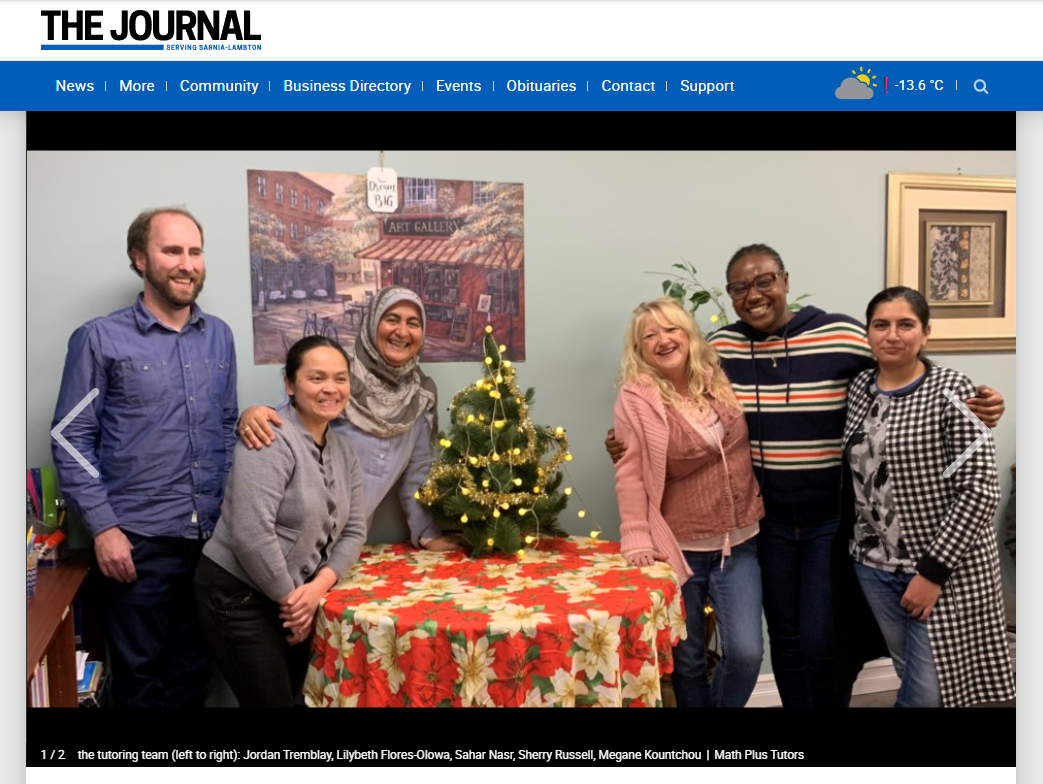
Starting your post-secondary studies could be daunting. To help you out with your new college or university program we added more subjects to our offered services. Starting this fall, our Post-Secondary program has added the following courses:
Do you have a college/university course you need help with? Contact us to see if we have tutors available for your subject.
Posted On: October 6, 2025
As we approach our 10 years’ anniversary, we wanted to hear what our students, families, and learning instructors had to say about MPT!
“Katrina Raes still remembers her first Kumon session like it was yesterday. “When I received the question sheet, I started using my fingers to count, and someone came up to me and said that I wasn’t allowed to use my fingers.”
Read the full story in The Sarnia Journal!
Posted On: January 22, 2025
In a typical school year, report cards come home every nine weeks or so. The purpose of report cards is to
communicate about a child’s progress across subject areas. Most report cards also include a Work Habits,
Social Skills, or similar section.
Some kids, especially those having difficulty in school, dread report card time. Here are some suggestions
for making report card time a little less scary and a little more productive.
• Become familiar with the grading system in your district and at your grade. Many schools
use a different report card for K-2 than they use for 3-5. Are letter grades used? A numerical
score from 1-3? Other letters such as O, G, S, N?
• Make sure you understand the different competencies on the report card. Many use vague
descriptors such as “Uses time constructively.” If something is not clear to you, ask your
child’s teacher.
• As you look at your child’s report card, RESIST THE IMPULSE to jump directly to an area
with a lower score. Find an area with a good grade or score and focus on that first. “You did
a great job in _____! You must be so proud of all your hard work.”
• Once you’ve focused on the positive, talk about areas in which your child’s grade was lower.
“Tell me how things have been going in science lately.” Start a safe, open dialogue with your
child about the difficulty he or she might be having with the subject matter.
• Together, develop strategies to help in subject areas that are difficult for your child. Is there
a textbook that needs to come home more frequently? Is there a website that can help with
math fact drills? If you’re not sure how to best help your child, call the teacher to set up a
conference.
• Last, let your child know that she is more than just a report card. Remind her of all the
things that make her special and important in your family. Too much of a focus on grades
can only increase the amount of stress your child feels.
Report cards should not contain any huge surprises about how your child is doing. Most teachers work to
talk with parents if a child is having particular difficulty, whether it’s through interims or informal phone
calls. If that is not the case with your child and his report card, call the teacher to talk about that. An
open, ongoing conversation is the best way to manage everyone’s expectations.
See also this post from our blog Sound It Out: I’d give this report card comment an N (for needs
improvement)
(Credits: This is a shared article from Reading Rockets, Colorín Colorado and LD OnLine)
Posted On: March 6, 2023